

Your roof protects your home from rain, snow, wind, and changing temperatures. However, poor installation, aging materials, and neglected maintenance can all contribute to premature roof failure.
Understanding the common causes of roof deterioration can help homeowners recognize warning signs, prevent costly repairs, and extend their roof’s lifespan.
At Paul Wright Roofing, we’ve served homeowners throughout Allentown, Bethlehem, Easton, and the Greater Lehigh Valley since 1990. Here are 17 common roof problems and what causes them.
17 Common Reasons Your Roof May Fail
1. Hiring the Wrong Roofing Company
Even high-quality roofing materials can fail prematurely when installed incorrectly. Improper fastening, inadequate ventilation, and poor flashing installation can all lead to serious roof issues.
Most premature roof failures are caused by installation or design problems, not product failures. Choosing an experienced roofing contractor who follows manufacturer guidelines is essential for long-term roof performance.
2. Installing Shingles on the Wrong Roof Slope
Slope is a roof’s friend. The steeper the slope the longer the roof will last. Roofs with a slope of less than a 4 pitch should not be shingled, they will fail very prematurely.
3. Poor Attic Ventilation
Often, contractors install different types of ventilation on the same roof which actually reduces the effectiveness and function of the venting. Poor or no ventilation can void the manufacturers’ warranty on your shingles.
Without proper attic ventilation, excessive heat and moisture can accumulate beneath your roof. Over time, trapped moisture can contribute to mold, wood rot, and deterioration of the roof decking. Proper ventilation, insulation, and air sealing help manage attic conditions and protect your roofing system.
4. Improper Roofing Nail Installation
Today’s shingles should have 6 nails per shingle, not 4. In addition, roofing nails must be installed in the correct locations to keep shingles securely attached.
Incorrect nail placement, insufficient fastening, or improper penetration into the roof decking can allow shingles to loosen or blow off during storms.
5. Natural Aging and Roof Deterioration
Every roof has a limited lifespan. Over time, exposure to sunlight, moisture, and changing temperatures can cause shingles to become brittle, curl, crack, or lose protective granules.
Routine maintenance can help identify roof deterioration early, but extensive aging may eventually require a complete roof replacement.
6. Reusing Old Roofing Components
A new roof should provide reliable protection, not just new shingles.
Reusing deteriorated flashing, underlayment, vent collars, or other aging components can leave vulnerable areas behind. During replacement, contractors should evaluate existing materials and replace components that are damaged or no longer suitable.
7. Freeze-Thaw Cycles and Ice Dams
Pennsylvania winters can be tough on residential roofs. Ice dams form when melting snow refreezes near the roof’s edges, potentially trapping water behind the ice.
This water can work beneath roofing materials and cause interior leaks.
The U.S. Department of Energy recommends proper air sealing, insulation, and ventilation to help reduce ice dam formation.
8. Improper Ice and Water Shield Installation
Ice and water shields help protect vulnerable roofing areas from moisture intrusion.
If this protective membrane is installed incorrectly, lacks adequate coverage, or doesn’t adhere properly, water may penetrate the roofing system.
Correct installation along roof eaves and other vulnerable areas is particularly important in climates with snow and ice.
9. Wind and Hail Damage
Severe storms can cause roof problems ranging from missing shingles to damaged flashing and punctures.
Strong winds may lift or tear shingles, while hail can damage their protective surfaces. Falling tree branches and windblown debris can also harm roofing materials.
A professional inspection after a major storm can help identify damage before leaks develop.
10. Damaged Vent Collars and Pipe Boots
Plumbing vents and other roof penetrations require properly installed flashing and seals.
Over time, rubber vent collars can crack or deteriorate, allowing rainwater to enter around the pipe.
These small components are common sources of roof leaks and should be checked during routine inspections.
11. Excessive Summer Heat and Sun Exposure
Prolonged exposure to sunlight and high temperatures gradually wears down asphalt shingles.
As protective granules deteriorate, shingles become more vulnerable to cracking, curling, and other damage.
Proper attic conditions, quality materials, and professional installation help support your roof’s long-term performance.
12. Missing Roof Crickets and Water Diverters
Chimneys and other roof obstructions can interrupt the natural flow of rainwater, creating areas where water collects.
Roof crickets and water diverters redirect water around these obstacles, reducing the risk of leaks.
Without proper drainage and flashing, moisture can accumulate around vulnerable roof sections.
13. Damaged or Deteriorating Roof Decking
Most roofers don’t even know that plywood is only rated to last for 2 roofs. If your home is on its third roof, it’s time for new plywood also.
Old, thin or poor quality plywood will not hold nails properly and the roof will be susceptible to blowing off.
Sagging sections, soft spots, or visible attic damage may indicate decking problems that require professional attention.
14. Missing or Loose Shingles
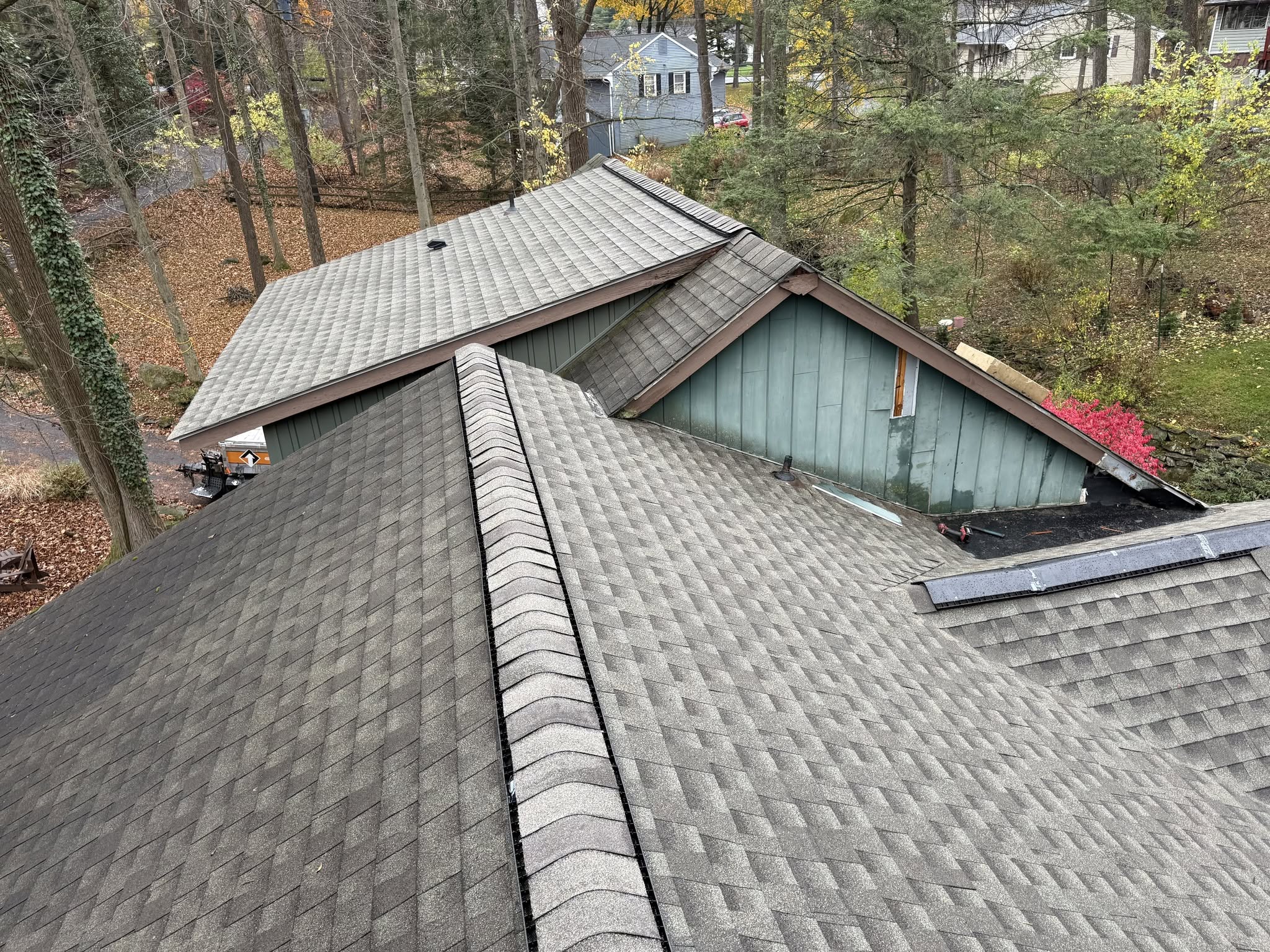
Shingles can loosen or detach because of strong winds, improper installation, aging adhesive seals, or falling debris.
Missing shingles expose the underlying roofing materials to additional weather, increasing the risk of moisture damage.
Replacing damaged or missing shingles promptly can help prevent more extensive repairs.
15. Damaged or Improperly Installed Flashing
Flashing helps direct water away from chimneys, skylights, walls, and roof joints.
When flashing becomes loose, corroded, or improperly sealed, water can enter beneath the roofing materials.
Damaged flashing is a common cause of roof leaks and should be inspected during regular maintenance.
16. Incorrect Shingle Spacing and Overlap
Instead of snapping lines to keep the shingles straight, many roofers just “wing it.” When they get near the peak or around dormers they find the rows don’t line up so they stretch the exposure of the shingle to make up the difference. When this happens the shingles don’t have proper coverage or headlap which can cause leaks.
Following manufacturer installation instructions helps prevent these avoidable roof issues.
17. Aggressive Roof Cleaning Methods
Pressure washing, excessive brushing, and aggressive scraping can damage asphalt shingles by removing protective granules.
The Asphalt Roofing Manufacturers Association advises against pressure washing asphalt shingle roofs.
If your roof has significant moss, algae, or debris buildup, consult a professional about appropriate cleaning methods.
Warning Signs of Roof Deterioration
Many roofing systems show warning signs before major leaks or structural damage occur.
Common signs of roof deterioration include:
- Missing or damaged shingles: Cracked, curled, or loose roofing materials.
- Granule loss: Excessive shingle granules collecting in gutters.
- Water stains: Discoloration on ceilings, walls, or attic surfaces.
- Damaged flashing: Loose or deteriorating materials around chimneys and vents.
- Sagging roof sections: Uneven areas that may indicate decking damage.
- Recurring leaks: Water intrusion that continues despite previous repairs.
If you notice these roof problems, schedule a professional evaluation to identify the cause.

Experiencing Roof Problems? Contact Paul Wright Roofing
If your roof is showing signs of deterioration, don’t wait for a small problem to become an expensive repair.
We are committed to offering reputable roofing repair services in Allentown, PA along with the surrounding areas. Whether you’re dealing with damaged shingles, leaks, or other roof issues, our team can help determine the appropriate solution.
Since 1990, Paul Wright Roofing has provided dependable roofing services throughout Allentown, Bethlehem, Easton, and the Greater Lehigh Valley. Our family-owned company brings over 100 years of combined professional experience to residential roofing projects.
Learn more about our shingle roofing services or contact Paul Wright Roofing to discuss your roofing needs.
Call (610) 770-3979 to schedule a roofing consultation.
